Showing 3 results

Archival description
Kimberly Brown Collection
Meek-Eaton Archival Collection MS_0026 · Collection

Location: AC.1.B.1.4.8

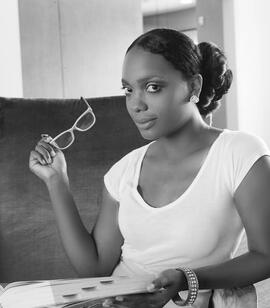
Dr. Kimberly Brown Pellum is a historian, author, and two-time Florida A&M University alumna, as well as a former “Miss FAMU” pageant queen. She serves as an assistant professor of history at Florida A&M University and is the founding director of MuseumofBlackBeauty.com, a digital public history initiative. Her scholarship focuses on twentieth-century African American women, beauty culture, southern history, and freedom movements. Dr. Pellum has contributed to major public history institutions, including the Smithsonian National Museum of American History, the National Park Service, and the Rosa Parks Museum. She is the author of Black Beauties: African American Pageant Queens in the Segregated South and Queen Like Me: The True Story of Girls Who Changed the World.

The Kimberly Brown Collection consists of one box of materials centered on Queen Like Me: The True Story of Girls Who Changed the World. The collection includes multiple copies of the publication as well as related materials such as children’s worksheets and miscellaneous documents associated with the book.

These materials reflect Dr. Pellum’s work in public history and youth education, emphasizing themes of empowerment, representation, and African American girlhood. The collection provides insight into the development and educational use of the publication, highlighting its role in promoting positive identity and historical awareness among young readers.
Gilbert Porter Collection
Meek-Eaton Archival Collection MS_0021 · Collection · 1947 - 1977

Location: AC.3.A.2.6.1 - AC.3.A.3.1.3

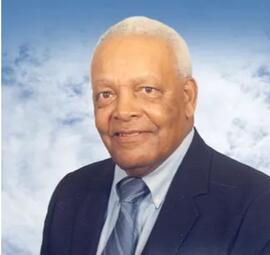
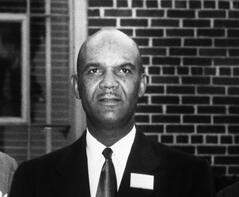
Dr. Gilbert Lawrence Porter was an educational pioneer in the state of Florida who devoted more than five decades of his life to advancing educational equality during the era of segregation and desegregation. Born on January 6, 1909, in Kansas, Porter pursued higher education at Talladega College, where he earned a Bachelor of Arts in Chemistry. He later obtained a master’s degree in educational administration from the University of Michigan and a Ph.D. in philosophy from The Ohio State University, becoming the first African American to receive this distinguished degree from the institution. Throughout his career, Porter remained committed to improving the quality of education for all students while advocating for equal salaries, professional recognition, and civil rights for African American teachers within a segregated and unequal educational system.

The Gilbert Porter Desegregation Files document Porter’s extensive work in educational reform, particularly in relation to school integration and policy development in Florida. The collection consists of Dade County school reports, national reports on desegregation plans and procedures, and materials related to organizations such as the Florida Conference of Social Welfare and the Florida Conference of Social Work. A significant portion of the collection includes newspaper clippings that highlight race relations and integration efforts in Dade County and throughout the state of Florida.

The records reflect the administrative, social, and political challenges surrounding desegregation and provide insight into the strategies and policies implemented during this transformative period.

D. E. Williams Collection
Meek-Eaton Archival Collection MS_0123

Location: AC.8.A.3.3.1 - AC.8.A.3.4.4

DeWitt Everett Williams served as the State Agent of Negro Schools in Florida from 1927 to 1962 under the Florida Department of Education. In this role, he was responsible for overseeing and supporting the development of African American education during the era of segregation. His work placed him in direct contact with schools across the state, documenting their conditions, operations, and communities during a critical period in the history of public education in Florida.

The D. E. Williams Collection consists of six boxes of materials documenting African American education in Florida during the Jim Crow era. The collection primarily contains photographs of segregated African American schools across the state, reflecting both rural and urban educational environments. These images provide visual documentation of school buildings, classrooms, students, and faculty, offering insight into the conditions and experiences within segregated educational systems.

The photographs are arranged alphabetically by county, facilitating geographic access and highlighting regional differences in school infrastructure and resources. Collectively, the collection serves as an important resource for understanding the historical landscape of African American education in Florida and the broader social and institutional context of segregation in the twentieth century.