
Meek-Eaton Archival Collection MS_0020-Box 01-Folder 19
·
1973 - 1977
Part of Attorney Joseph Gibbs Collection
Education
63 Archival description results for Education
63 results directly related
Exclude narrower terms
Meek-Eaton Archival Collection MS_0020-Box 01-Folder 23
·
1973
Part of Attorney Joseph Gibbs Collection
Meek-Eaton Archival Collection MS_0020-Box 01-Folder 32
·
1967
Part of Attorney Joseph Gibbs Collection
Meek-Eaton Archival Collection MS_0020-Box 01-Folder 33
·
1971
Part of Attorney Joseph Gibbs Collection
Meek-Eaton Archival Collection MS_0020-Box 01-Folder 34
·
1970
Part of Attorney Joseph Gibbs Collection
Meek-Eaton Archival Collection MS_0020-Box 01-Folder 38
·
1971
Part of Attorney Joseph Gibbs Collection
Meek-Eaton Archival Collection MS_0020-Box 01-Folder 39
·
1972
Part of Attorney Joseph Gibbs Collection
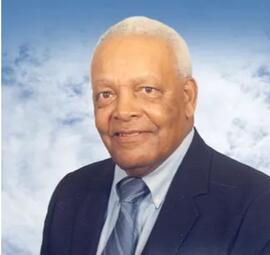
Meek-Eaton Archival Collection MS_0021
·
Collection
·
1947 - 1977
Location: AC.3.A.2.6.1 - AC.3.A.3.1.3
Dr. Gilbert Lawrence Porter was an educational pioneer in the state of Florida who devoted more than five decades of his life to advancing educational equality during the era of segregation and desegregation. Born on January 6, 1909, in Kansas, Porter pursued higher education at Talladega College, where he earned a Bachelor of Arts in Chemistry. He later obtained a master’s degree in educational administration from the University of Michigan and a Ph.D. in philosophy from The Ohio State University, becoming the first African American to receive this distinguished degree from the institution. Throughout his career, Porter remained committed to improving the quality of education for all students while advocating for equal salaries, professional recognition, and civil rights for African American teachers within a segregated and unequal educational system.
The Gilbert Porter Desegregation Files document Porter’s extensive work in educational reform, particularly in relation to school integration and policy development in Florida. The collection consists of Dade County school reports, national reports on desegregation plans and procedures, and materials related to organizations such as the Florida Conference of Social Welfare and the Florida Conference of Social Work. A significant portion of the collection includes newspaper clippings that highlight race relations and integration efforts in Dade County and throughout the state of Florida.
The records reflect the administrative, social, and political challenges surrounding desegregation and provide insight into the strategies and policies implemented during this transformative period.
Meek-Eaton Archival Collection AR_0007-_001-_005-Box 15
·
1950 - 1964
Part of History of FAMU
This file contains administrative papers and related records dating from 1950 to 1964 generated during the presidency of Florida Agricultural and Mechanical University (FAMU) President George W. Gore Jr. The materials are arranged alphabetically by subject and reflect the routine administrative, academic, and institutional activities of the Office of the President during this period.
The papers include records relating to miscellaneous committees and materials associated with the Dean’s Council. The file also contains documentation concerning Demonstration High and Elementary Schools, including faculty information and data on degrees, certifications, and salaries. Additional materials include papers from Lucy Moten Elementary School and records produced by its Survey Committee. Topics represented include academic administration, faculty qualifications and compensation, laboratory and demonstration school oversight, and internal evaluation and planning.
Collectively, these papers provide insight into Florida A&M University’s administrative oversight of affiliated educational programs and internal governance structures during the mid-twentieth century. The materials illustrate the role of the university presidency in supervising academic initiatives, faculty development, and institutional assessment during a period of growth and educational reform.
Meek-Eaton Archival Collection AR_0007-_001-_005-Box 09
·
1950 - 1965
Part of History of FAMU
This file contains general correspondence dating from 1950 to 1965 generated during the presidency of Florida Agricultural and Mechanical University (FAMU) President George W. Gore Jr. The materials are arranged alphabetically, beginning with schools (including high schools, elementary schools, vocational schools, and junior high schools), followed by hotels and motels, and concluding with special name correspondences, and reflect the routine administrative, professional, and external communications of the Office of the President during this period.
The correspondence documents interactions between President Gore Jr. and representatives of schools throughout the southern United States, as well as correspondence with African American–owned hotels and motels throughout Florida, including several postcards. The file also includes correspondence with leaders of professional and fraternal organizations, such as the American Council on Education and the Grand Assembly Lily White Security Benefit Association, and contains attachments of news clippings from the Florida Sentinel newspaper. Additional correspondence with educators and attorneys is also present. Topics represented include educational outreach and recruitment, professional collaboration, institutional representation, accommodations and travel arrangements, organizational affairs, and public engagement.
Collectively, these papers provide insight into Florida A&M University’s external relationships and community networks during the mid-twentieth century. The correspondence illustrates the role of the university presidency in fostering educational pathways, supporting African American–owned businesses during segregation, and engaging with professional organizations and the press within the broader context of Jim Crow–era education and public life.