
Meek-Eaton Archival Collection MS_0001
·
Collection
·
1900 - 1996
Location: AC.6.B.2.4.7-AC.6.B.3.4.4
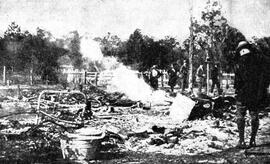
The Rosewood Massacre was a racially motivated attack on the predominantly African American town of Rosewood, Florida, in January 1923. Sparked by false accusations and fueled by racial tensions under Jim Crow segregation, white mobs destroyed homes, churches, and businesses, forcing residents to flee and permanently abandon the town. For decades, the event remained largely suppressed in public memory until renewed attention in 1982 by journalist Gary Moore prompted survivors and descendants to seek justice. Their efforts led to a state investigation and compensation legislation, marking one of the first instances of reparations for racial violence in the United States.
Archival Description:
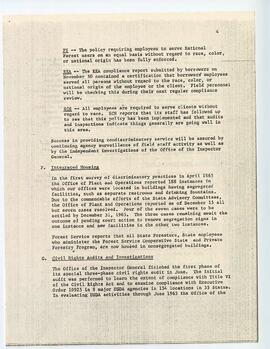
The Rosewood Massacre Papers Collection spans 35 boxes with materials dating from 1900 to 1996 and documents the historical, legal, and commemorative efforts surrounding the 1923 massacre. The collection includes narrative reports, multiple versions of documented histories, survivor affidavits, administrative files, correspondence, interview transcripts, handwritten notes, vital records such as birth certificates, census records including the 1920 U.S. Census, property records such as Levy County deed indexes, and materials related to claims verification.
Folders within the collection contain complete narrative reports and reproduced copies used for research, review, and preservation; affidavits from survivors including Bertha Fagin, Ivory T. Fuller, Vera G. Goins Hamilton, Thelma Hawkins, and Dorothy G. Hosey; correspondence from agencies such as the Florida State Department of Health and Rehabilitative Services and Offices of Vital Statistics; as well as administrative communications, genealogical documentation, and evidentiary records supporting compensation claims.
Collectively, these materials document both the historical reconstruction of the Rosewood Massacre and the legal and administrative processes undertaken to verify survivors, establish lineage, and secure restitution.

Meek-Eaton Archival Collection AR_0007-_006-_001-_01-Box 01-Folder 05
·
1952
Part of History of FAMU
Click the image above to view the Yearbook in PDF format.
Finding Aid Authors
Autumn Heatrice, Museum Registrar 2026
Zoey Henry, Intern 2026
Online Publishing Archivist
Tellicia Mitchell, Digital Publishing Archivist
Digitization Publishing
Timothy A. Barber, Director 2026
Mekhi Connor, HCAC Intern 2026

Meek-Eaton Archival Collection AR_0007-_006-_001-_01-Box 01-Folder 04
·
1951
Part of History of FAMU
Click the image above to view the Yearbook in PDF format.
Finding Aid Authors
Autumn Heatrice, Museum Registrar 2026
Zoey Henry, Intern 2026
Online Publishing Archivist
Tellicia Mitchell, Digital Publishing Archivist
Digitization Publishing
Timothy A. Barber, Director 2026

Meek-Eaton Archival Collection AR_0007-_006-_001-_01-Box 01-Folder 03
·
1950
Part of History of FAMU
Click the image above to view the Yearbook in PDF format.
Finding Aid Authors
Autumn Heatrice, Museum Registrar 2026
Zoey Henry, Intern 2026
Online Publishing Archivist
Tellicia Mitchell, Digital Publishing Archivist
Digitization Publishing
Timothy A. Barber, Director 2026

Meek-Eaton Archival Collection AR_0007-_006-_001-_01-Box 01-Folder 02
·
1946
Part of History of FAMU
Click the image above to view the Yearbook in PDF format.
Finding Aid Authors
Autumn Heatrice, Museum Registrar 2026
Zoey Henry, Intern 2026
Online Publishing Archivist
Tellicia Mitchell, Digital Publishing Archivist
Digitization Publishing
Timothy A. Barber, Director 2026

Meek-Eaton Archival Collection AR_0007-_006-_001-_01-Box 01-Folder 01
·
1929
Part of History of FAMU
Click the image above to view the Yearbook in PDF format.
Finding Aid Authors
Autumn Heatrice, Museum Registrar 2026
Zoey Henry, Intern 2026
Online Publishing Archivist
Tellicia Mitchell, Digital Publishing Archivist
Digitization Publishing
Timothy A. Barber, Director 2026
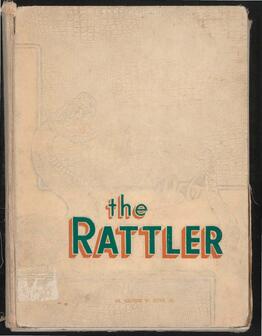
Meek-Eaton Archival Collection AR_0007-_006-_001-_01-Box 02-Folder 03
·
1956
Part of History of FAMU
Click the image above to view the Yearbook in PDF format.
Finding Aid Authors
Autumn Heatrice, Museum Registrar 2026
Zoey Henry, Intern 2026
Online Publishing Archivist
Tellicia Mitchell, Digital Publishing Archivist
Digitization Publishing
Timothy A. Barber, Director 2026

Meek-Eaton Archival Collection MS_0071
·
File
Location: AC.2.B.2.4.4 - AC.2.B.3.1.3
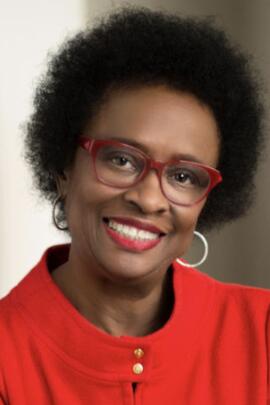
Arthenia L. Joyner born 1943 in Lakeland, Florida, and raised in Tampa. She emerged as a leader during the Civil Rights Movement, participating in protests as both a high school and college student at Florida A&M University. Joyner attended the original FAMU College of Law, graduating in 1968, and went on to break significant barriers as the first Black woman to practice law in Hillsborough County and the first African American to practice law in Polk County. She later served as a legislative aide to State Representative Joe Lang Kershaw, the first Black legislator in Florida since Reconstruction, and was elected to three terms in the Florida House of Representatives representing the 59th District.
The Senator Arthenia L. Joyner Collection consists of eight boxes of materials documenting her career in law, public service, and civil rights advocacy. The collection includes correspondence, meeting records, travel documents, and speeches that reflect her work as an attorney, legislative aide, and elected official.
These materials provide insight into Joyner’s role in shaping public policy, her legislative activities, and her engagement with constituents and colleagues. The collection also highlights her involvement in civil rights initiatives and her contributions to expanding opportunities for African Americans in the legal and political arenas. Collectively, the records document her impact on Florida’s political landscape and her legacy as a pioneering African American woman in law and government.