Florida

Elements area

Taxonomy

Code

Scope note(s)

    Source note(s)

      Display note(s)

        Hierarchical terms

        Florida

          Equivalent terms

          Florida

            Associated terms

            Florida

              12 Archival description results for Florida

              12 results directly related Exclude narrower terms
              Arthur L. Kidd Collection
              Meek-Eaton Archival Collection MS_0013 · Collection · 1934 - 1967

              Location: AC.2.B.3.2.2- AC.2.B.3.2.5

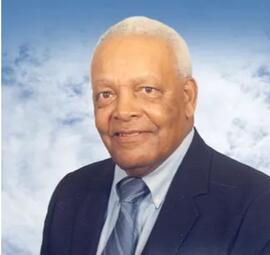
              This collection consists of personal papers from Florida A&M University’s Arthur L. Kidd. Kidd, a native of Pennsylvania, earned a B.A. degree in 1924 from the University of Michigan, and in 1929, a Masters of Arts degree from Columbia University. Kidd also did additional studying at the University of Iowa, Columbia University, and New York University. He began his teaching career at Tuskegee Institute in 1924 before accepting a position at Florida A&M College (FAMCEE) in 1925 as Principal of the High School. Kidd worked at FAMCEE until 1944. During his nineteen years of service to the college, Kidd worked in numerous positions, including: Head of the Department of History, Acting Director of the Extension Division, Acting Dean for the College of Arts and Sciences and College Registrar. In October 1944, Kidd left his position at FAMCEE to work with the United Nations Relief and Rehabilitation Administration, where he worked in various capacities in Washington, D.C., and abroad in locations including France, Germany, and Holland. He returned to the United States in 1950 and worked for a year at Maryland State College before accepting a second appointment at FAMCEE in 1951 as Director of the Division of Social Studies. Upon the college reaching university status in 1954, in the academic re-organization, Kidd consequently became the Associate Dean of the College of Arts and Sciences. Until 1969, he served FAMU in various capacities, including director of institutional studies and director of university administrative planning.

              The material type in this collection were mainly magazines, news articles, and news clippings from 1949-19687 that followed local and national events affecting Negro people and occurrences impacting their lives. The records of this collection are especially important and informative in that they as resources that document firsthand the many historic events that occurred during the American Negro Civil Rights Years. Most of the records document the passing of school integration and public desegregation legislation, mass boycotts, sit-ins, and other forms of protest, as well as the brutal, nationwide social turbulence that accompanied this period. Additionally, a small amount of materials related to Kidd's instructional duties at FAMU are included.

              Biographical data and inclusive subjects were acquired from Murell Dawson circa 2002.
              Meek-Eaton Archival Collection MS_0014 · Collection · 2015 - 2021

              Location: AC.8.A.2.2.4

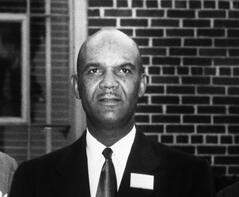
              The Attorney Armstrong Purdee Collection documents the life, legacy, and historical significance of one of Jackson County’s earliest African American legal professionals. The collection contains photographs, commemorative materials, newspaper articles, publications, and digital resources that highlight Purdee’s professional accomplishments and the lasting impact of his work within the community.

              Materials include images of commemorative events, a photograph of Purdee’s gravesite, and newspaper coverage discussing his life and contributions. The collection also contains publications related to African American history in Jackson County, including a family reunion cookbook and a scrapbook documenting the legacy of African Americans in the region.

              In addition to printed materials, the collection includes a video link documenting a Black History Month program featuring the Jackson County NAACP and the Jackson County School Board. Together, these materials provide insight into community efforts to preserve the historical legacy of Attorney Armstrong Purdee and the broader history of African American leadership and civic engagement in Jackson County, Florida.

              The collection is arranged in a single box and organized by subject and material type, including commemorations, news articles, photographs, and publications related to Attorney Armstrong Purdee.

              Meek-Eaton Archival Collection MS_0119

              Location: AC.7.A.1.2.2 - AC.7.A.1.5.3

              The Black Schools in Florida Collection documents the history, administration, and cultural life of African American education in Florida during the era of segregation and beyond. Comprising twelve boxes of materials, this collection provides rich insight into the development of Black primary and secondary schools, as well as the educators, administrators, and communities that sustained them. The records collectively highlight the structure of segregated schooling, the professional networks of Black educators, and the efforts toward institutional improvement and accreditation.

              The collection consists of a wide range of materials, including correspondences, school records, conference records, and publications that reflect the daily operations and broader educational initiatives of Black schools throughout the state. Printed materials such as programs, event programs, yearbooks, newspapers, and school publications illustrate student life, extracurricular activities, and community engagement. Additional items, including certificates of membership, certificates of accreditation, high school diploma covers, plaques, and school emblems, provide evidence of institutional identity, achievement, and recognition.

              Educational development and administrative practices are further represented through instructional materials and reports, including a self-study of Nims Middle School, an instructional book for Duval County middle schools, a junior high school handbook, and documentation related to teacher workshops and professional training. The collection also includes records such as a statewide list of Negro principals and materials pertaining to educators in Gadsden County, offering valuable context on leadership and staffing within Black educational institutions. Notably, one empty box labeled “Foreign Affairs” is present, suggesting either removed or relocated materials.

              Photographs within the collection visually document school buildings, faculty, students, and events, complementing the textual records and enhancing the historical narrative. Together, these materials provide a comprehensive view of the educational experiences of African American students and educators in Florida, emphasizing both the challenges of segregation and the resilience and accomplishments of Black school communities.

              D. E. Williams Collection
              Meek-Eaton Archival Collection MS_0123

              Location: AC.8.A.3.3.1 - AC.8.A.3.4.4

              DeWitt Everett Williams served as the State Agent of Negro Schools in Florida from 1927 to 1962 under the Florida Department of Education. In this role, he was responsible for overseeing and supporting the development of African American education during the era of segregation. His work placed him in direct contact with schools across the state, documenting their conditions, operations, and communities during a critical period in the history of public education in Florida.

              The D. E. Williams Collection consists of six boxes of materials documenting African American education in Florida during the Jim Crow era. The collection primarily contains photographs of segregated African American schools across the state, reflecting both rural and urban educational environments. These images provide visual documentation of school buildings, classrooms, students, and faculty, offering insight into the conditions and experiences within segregated educational systems.

              The photographs are arranged alphabetically by county, facilitating geographic access and highlighting regional differences in school infrastructure and resources. Collectively, the collection serves as an important resource for understanding the historical landscape of African American education in Florida and the broader social and institutional context of segregation in the twentieth century.

              Meek-Eaton Archival Collection MS_0010 · Collection · 1941 - 1987

              Location: AC.8.B.1.2.1 - AC.8.B.1.2.2

              This file documents the life, professional career, and institutional impact of Dean Maxwell S. Thomas, a highly respected educator, administrator, and advocate for students at Florida A&M University. Spanning the years 1941 to 1987, with concentrated materials dating from 1973 to 1983, the collection provides a comprehensive view of Thomas’s contributions to higher education, his involvement in key university initiatives, and his broader engagement with community and professional organizations.

              Born on June 24, 1907, in Ocala, Florida, Dean Maxwell S. Thomas served as Dean of Mechanical Arts at Florida A&M University and was widely recognized for his leadership, commitment to student development, and dedication to institutional advancement. The materials within this collection reflect his extensive professional network and influence, including correspondence with university presidents, faculty, and external organizations. His work with entities such as the Orange Blossom Classic Committee and the FAMU Foundation is well represented, illustrating his role in shaping both academic and extracurricular aspects of the university. In addition to documenting his professional achievements, the collection also captures personal dimensions of his life, including biographical materials, handwritten notes, and correspondence addressed to his wife, Jacqueline Holloway-Thomas, particularly letters of condolence following his passing in 1983.

              The collection consists of manuscripts, photographs, publications, reports, correspondence, organizational records, programs, and printed materials that collectively highlight Thomas’s contributions to Florida A&M University and the broader educational landscape. These materials include annual and financial reports, institutional evaluations, program development documents, and publications that reflect the evolving priorities of the university during the mid- to late-twentieth century. News articles and obituaries further contextualize his legacy, emphasizing his impact as an educator and leader within the Tallahassee community and beyond.

              At the time of processing, the collection had no discernible original order. The materials were therefore reorganized by subject and record type, with correspondences grouped by date and organizational records categorized by affiliated institutions or committees. Items were arranged in both alphabetical and chronological order to enhance accessibility and preserve contextual relationships. The collection was rehoused in acid-free folders and archival boxes, expanding to two boxes totaling approximately one linear foot. Processing also included preparation for digitization and the replacement of deteriorating fasteners with archival-safe materials. This collection serves as a significant resource for researchers examining the history of Florida A&M University, African American leadership in higher education, and the institutional development of historically Black colleges and universities during the twentieth century.

              Meek-Eaton Archival Collection MS_0121 · 1995 - 2003

              Location: AC.7.A.3.5.1 - AC.7.A.3.6.1

              The Florida African American History Education Task Force Files document the development, implementation, and advancement of statewide initiatives to incorporate African American history into Florida’s public school curriculum. The materials date from 1995 to 2003 and are closely tied to the legislative mandate established by the State of Florida in 1994 through Florida Statute 1003.42, which required the teaching of the history, culture, experiences, and contributions of African Americans in K–12 education.

              Following the passage of this legislation, the African American History Task Force (AAHTF) was established to ensure the effective execution and sustainability of this mandate. The Task Force played a central role in guiding curriculum development, supporting teacher training, and promoting educational equity through the integration of African American history across grade levels. Grant-supported initiatives were also developed under the Task Force’s direction to provide resources, workshops, and programming aligned with the original intent of the statute.

              The collection consists of administrative and programmatic records that reflect the operations and impact of the Task Force. Materials include correspondence, meeting minutes, reports, grant documentation, curriculum guides, workshop and conference materials, and educational publications. These records highlight collaboration among educators, policymakers, and community stakeholders working to institutionalize African American history education throughout Florida’s school system. The files also document outreach efforts, training sessions for teachers, and the evaluation of program effectiveness.

              Collectively, the Florida African American History Education Task Force Files provide valuable insight into the institutionalization of African American history within public education in Florida. The collection underscores the role of legislative action, educational advocacy, and community engagement in shaping inclusive curricula and preserving the historical narratives of African Americans for future generations.

              Meek-Eaton Archival Collection MS_0018 · 1943 - 2012

              This collection, titled Florida’s Black Junior Colleges, spans the years 1943–2012, with the bulk of materials concentrated between 1958 and 1966. The collection documents the lives, administration, and institutional development of Black junior colleges in Florida that operated primarily from the late 1940s through their closure in 1966 during the era of desegregation. It provides insight into the educational experiences of students, as well as the professional and administrative networks that sustained these institutions.

              The collection consists of a wide variety of paper-based and photographic materials, including agendas, applications, correspondence, directories, meeting minutes, memoranda, reports, newsletters, programs, speeches, yearbooks, and photographs. Also included are items such as guidebooks, maps, manuals, musical compositions, poems, resolutions, and personnel records. These materials reflect both the daily operations and broader cultural and academic environments of the institutions.

              Of particular significance is a comprehensive study conducted by Dr. Walter L. Smith titled “A Study of Black Junior Colleges in Florida 1957–1966,” which documents key events, institutional challenges, and the lasting impact of these colleges on students, faculty, and surrounding communities. The collection also contains extensive correspondence that highlights collaboration among administrators, educators, and state officials during a pivotal period in Florida’s educational history.

              Arranged across three boxes, the collection captures themes of education, segregation, integration, and desegregation within the state of Florida, with a strong emphasis on the role of historically Black colleges and universities (HBCUs) and their junior college counterparts. The materials provide valuable context for understanding the transition from segregated educational systems to integrated institutions and the effects of these changes on Black communities.

              Meek-Eaton Archival Collection MS_0105 · File · 1949 - 1960

              Location: AC.3.B.1.3.5 - AC.3.B.1.4.3

              Genevieve Josephine Wheeler Thomas (1914–December 24, 2006) was an educator whose career spanned 36 years in the field of home economics. She served as a classroom instructor before becoming Dean of the School of Home Economics, where she played a significant role in advancing academic programming and facilities. During her administration, notable developments included the construction and furnishing of a new Home Economics annex within the Perry-Paige Agriculture and Home Economics Building. She concluded her tenure in 1977 after returning to classroom instruction, leaving a lasting impact on both students and institutional growth.

              The Genevieve J. Wheeler Thomas Collection consists of three boxes of materials dating from 1949 to 1960, documenting her professional contributions to education and academic administration. The collection includes instructional materials, meeting minutes, correspondence, and related documents that reflect her work as both an educator and administrator.

              These materials provide insight into curriculum development, departmental operations, and the evolution of home economics education during the mid-twentieth century. The collection also highlights Wheeler Thomas’s leadership and involvement in institutional planning, particularly during a period of expansion and modernization. Collectively, the records offer valuable documentation of her career and the broader educational landscape in which she served.

              Gibbs, Attorney Joseph
              Meek-Eaton Archival Collection MS_0020-Box 01 · 1967 - 1978
              Part of Attorney Joseph Gibbs Collection

              The materials in this box of the Attorney Joseph Gibbs Collection document his legal and professional work related to education and civil rights, with records dating from 1967 to 1978. This box consists of forty folders containing correspondence and court case materials that reflect Gibbs’ involvement in legal efforts addressing school desegregation, higher education policy, and the protection of civil rights during a critical period of social and institutional change.

              The correspondence files include communication with legal organizations, government officials, and educational institutions, while the court case materials document significant litigation and legal developments pertaining to integration and equal educational opportunity. Together, these records provide insight into the legal strategies, challenges, and policy discussions surrounding civil rights and education during the late twentieth century.

              The folders within this box are arranged in alphabetical order, allowing for organized access by subject, correspondent, and case name. Collectively, this box offers valuable documentation of Attorney Joseph Gibbs’ contributions to advancing educational equity and civil rights.

              Gilbert Porter Collection
              Meek-Eaton Archival Collection MS_0021 · Collection · 1947 - 1977

              Location: AC.3.A.2.6.1 - AC.3.A.3.1.3

              Dr. Gilbert Lawrence Porter was an educational pioneer in the state of Florida who devoted more than five decades of his life to advancing educational equality during the era of segregation and desegregation. Born on January 6, 1909, in Kansas, Porter pursued higher education at Talladega College, where he earned a Bachelor of Arts in Chemistry. He later obtained a master’s degree in educational administration from the University of Michigan and a Ph.D. in philosophy from The Ohio State University, becoming the first African American to receive this distinguished degree from the institution. Throughout his career, Porter remained committed to improving the quality of education for all students while advocating for equal salaries, professional recognition, and civil rights for African American teachers within a segregated and unequal educational system.

              The Gilbert Porter Desegregation Files document Porter’s extensive work in educational reform, particularly in relation to school integration and policy development in Florida. The collection consists of Dade County school reports, national reports on desegregation plans and procedures, and materials related to organizations such as the Florida Conference of Social Welfare and the Florida Conference of Social Work. A significant portion of the collection includes newspaper clippings that highlight race relations and integration efforts in Dade County and throughout the state of Florida.

              The records reflect the administrative, social, and political challenges surrounding desegregation and provide insight into the strategies and policies implemented during this transformative period.